Kashmir Bargaining & Shopping: Your Ultimate Local's Guide
Kashmir Travel Guide
Master the art of bargaining in Kashmir with our local's shopping guide. Get tips for best prices on Pashmina, saffron, handicrafts, and more.
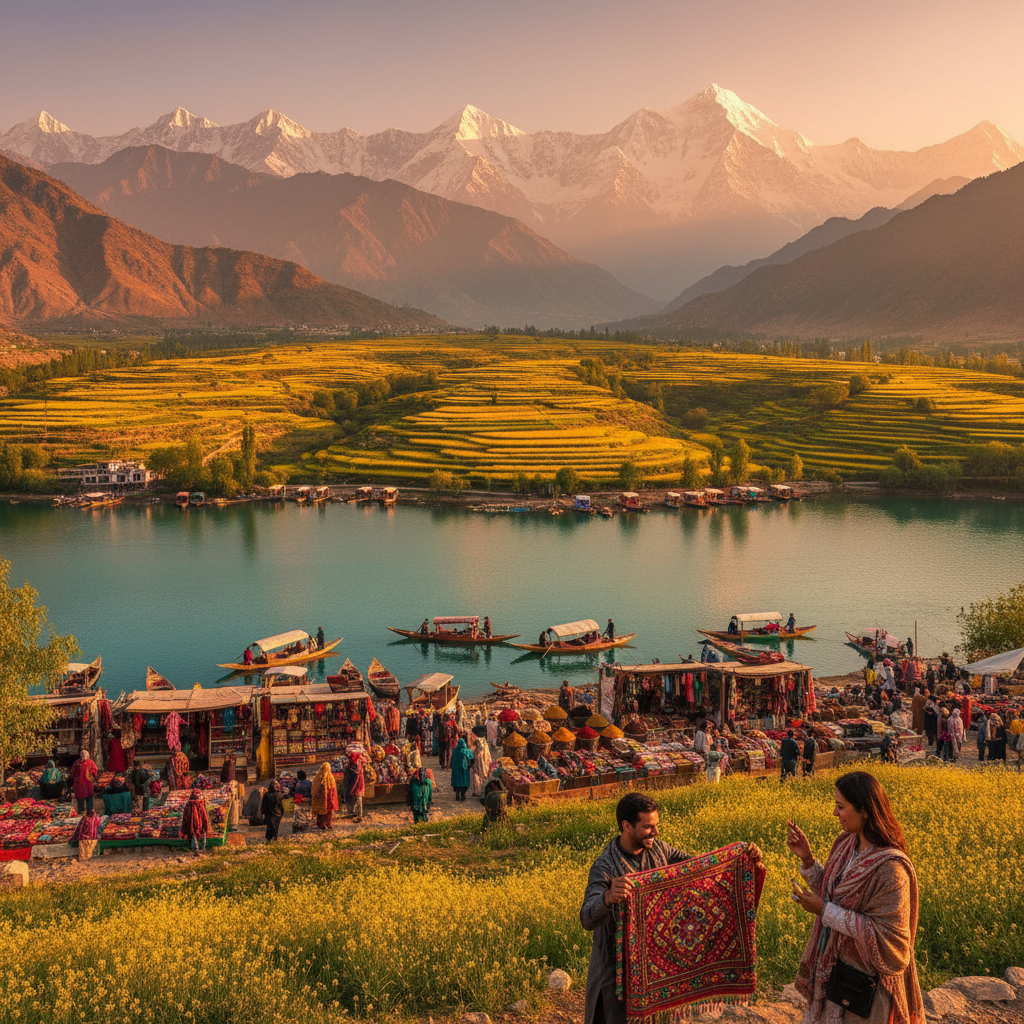
Unlocking Kashmir's Treasures: An Introduction to Shopping
Kashmir is not just a treat for the eyes but also a treasure trove for shoppers. From intricate handicrafts to aromatic spices, the Valley offers a unique retail experience that blends tradition with artistry. However, shopping here, especially in local markets, often involves a delightful dance of negotiation – what we call bargaining. This guide is designed to empower you, the traveler, with the local know-how to secure authentic goods at fair prices, ensuring your souvenirs tell a story of smart shopping and cultural immersion, not just a purchase. We'll navigate the bustling bazaars of Srinagar, the serene streets of Pahalgam, and the specialized shops around Gulmarg, teaching you how to differentiate genuine products from imitations and how to approach bargaining like a seasoned local. Understanding the culture of commerce here will not only save you money but also enhance your overall travel experience, allowing you to connect deeper with the local artisans and traders.
The Art of Bargaining in Kashmir: Why and How
Bargaining, or 'sauda karna' in local parlance, is an integral part of shopping in Kashmir, particularly in local markets, smaller shops, and for handicrafts. It's not about being aggressive, but rather a friendly negotiation that is part of the cultural exchange. Shopkeepers often quote prices higher than what they expect to receive, anticipating a negotiation. This practice is less common in modern fixed-price stores or larger branded outlets, but for unique Kashmiri products like Pashminas, carpets, wood carvings, and papier-mâché items, it's almost expected. The key is to approach it with a smile, politeness, and patience. Start by expressing genuine interest, then subtly inquire about the 'best price.' A good starting point for your offer is often 30-50% less than the initial quoted price, then gradually moving upwards. Remember, the goal is a mutually agreeable price, not to exploit the seller. Knowledge of the product's true value, which we'll cover later, gives you a significant edge.
What to Buy in Kashmir: A Treasure Map of Local Products
Kashmir's diverse landscape is reflected in its equally diverse range of products. When compiling your shopping list, consider these iconic items. Pashmina shawls, stoles, and scarves are perhaps the most famous. True Pashmina is incredibly soft, lightweight, and warm, often featuring exquisite embroidery like 'Sozni' or 'Kani.' Saffron, grown in Pampore, is another prized possession. Look for deep red strands, known as 'Mongra,' which are considered the finest. Walnut wood carvings, ranging from decorative boxes to furniture, showcase incredible craftsmanship. Papier-mâché articles, brightly painted and often depicting local scenes or floral motifs, make beautiful souvenirs. Copperware, from samovars to traditional utensils, adds a touch of rustic charm. Also popular are local spices, dried fruits like apricots and almonds, and the distinct Kashmiri tea, Kahwa. For something unique, explore embroidered clothing, traditional 'pherans,' and various silver jewelry pieces. Knowing what you're looking for helps you stay focused and avoid impulse buys.
Spotting Authenticity: Don't Get Fooled by Fakes
One of the biggest challenges for shoppers in Kashmir is distinguishing genuine products from imitations, especially with high-value items like Pashmina and saffron. For Pashmina, the 'ring test' is a popular, though not always foolproof, method: if a genuine Pashmina shawl can pass through a wedding ring, it's considered authentic due to its fineness. A better indicator is the feel – genuine Pashmina is incredibly soft, not scratchy, and has a slightly irregular weave under close inspection, unlike machine-made blends. Burn a tiny thread from the fringe (with permission) – pure Pashmina wool smells like burnt hair and turns to ash; synthetic blends melt. For saffron, true Kashmiri saffron (Mongra) has long, dark red strands with very little yellow or orange pistil. It should have a strong, sweet aroma, not a chemical smell. When soaked in warm water, it slowly releases a rich golden-yellow color and a distinct aroma, turning the water a bright red over time. If it quickly turns bright orange or red, it's likely dyed. Buying from government-approved stores or reputable, established shops is always a safer bet.
Where to Shop in Kashmir: Markets, Bazaars, and Boutiques
Srinagar is undoubtedly the shopping hub of Kashmir. Boulevard Road, particularly near Dal Lake, is lined with shops offering everything from handicrafts to textiles, often catering to tourists. Lal Chowk is a bustling commercial center where you'll find a mix of modern stores, clothing, and local goods. The Government Arts Emporium on Residency Road is a reliable option for fixed-price, certified Pashmina and handicrafts, though prices will be higher. For a more authentic, local experience and better bargaining opportunities, explore the Old City bazaars like Zaina Kadal and Maharaj Gunj, where traditional items are sold by local artisans. In Pahalgam, most shopping revolves around the main market area near the Lidder River, focusing on local woollens, saffron, and dry fruits. Gulmarg offers limited shopping, primarily small souvenir shops selling local handicrafts, woolen items, and ski gear. Always be mindful of your belongings in crowded market areas and avoid shopping late at night in less-lit streets.
Budgeting for Your Shopping Spree: Realistic Costs and Savings
Setting a realistic budget for your Kashmir shopping is crucial. Prices vary wildly depending on the item's quality, craftsmanship, and where you purchase it. For instance, a genuine Pashmina shawl can range from INR 8,000 to INR 50,000 or more, while blends might start from INR 1,500. Authentic Kashmiri saffron can cost between INR 250-400 per gram for top quality. Walnut wood carvings might range from INR 500 for a small piece to INR 10,000+ for intricate furniture. Papier-mâché items can be found from INR 200 for small boxes to INR 5,000 for larger decorative pieces. To save money, always compare prices across multiple shops. Don't be afraid to walk away if a price feels too high; often, the shopkeeper will call you back with a better offer. Cash payments might sometimes secure a slightly better deal than cards, but ensure you get a proper receipt. Remember, good bargaining skills can easily save you 20-30% on many items, especially if you buy multiple pieces from the same vendor.
Practical Tips for a Smooth Shopping Experience
To ensure a pleasant and successful shopping trip in Kashmir, keep these practical tips in mind. First, always carry small denominations of cash, as many smaller shops may not accept cards, and it facilitates easier bargaining. Research average prices beforehand for items you're interested in; this knowledge is your strongest bargaining tool. Be polite and friendly during negotiations; a smile goes a long way. If you're unsure about a purchase, especially a high-value one, take your time, visit a few other shops, and don't feel pressured into buying. Ask for proper receipts, especially for expensive items, as this can be helpful for authenticity claims or returns, though returns are rare in local markets. Be wary of anyone offering to take you to 'special' government-run shops that turn out to be private establishments – stick to known, reputable dealers or the official government emporiums. Finally, enjoy the process; shopping in Kashmir is a cultural experience in itself, offering a glimpse into the local way of life and artistry.
Related Kashmir Guides & Services
<p>Planning the rest of your trip? These Mid Holidays guides pair well with this article:</p><ul><li><a href="/blog/ladakh-pashmina-handicraft-shopping-guide">Ladakh Pashmina Handicraft Shopping Guide: Your Authentic Buy</a></li><li><a href="/blog/pampore-saffron-fields-visit-guide">Pampore Saffron Fields Visit Guide: Kashmir's Golden Bloom</a></li><li><a href="/blog/srinagar-taxi-charges-guide-mid-holidays">Srinagar Taxi Charges: Your Ultimate Guide & Fare Tips</a></li><li><a href="/blog/kashmir-taxi-booking-guide">Kashmir Taxi Booking: Your Ultimate Guide for a Smooth Trip</a></li><li><a href="/blog/kashmiri-shopping-guide-pashmina-saffron">Kashmiri Shopping Guide: Pashmina, Saffron & Local Crafts</a></li></ul>
Frequently Asked Questions
Is bargaining common in all Kashmiri shops?
Bargaining is very common and expected in most local markets, smaller artisan shops, and souvenir stalls across Kashmir. However, it is generally not practiced in modern retail stores, large branded showrooms, government emporiums, or fixed-price shops where prices are clearly displayed. For high-value items like Pashmina, carpets, and handicrafts, always assume there's room for negotiation.
What percentage should I aim to bargain down in Kashmir?
There's no fixed rule, but a good starting point for negotiation is often 30-50% below the initial quoted price. From there, you can gradually increase your offer. The final price you settle on will depend on your bargaining skills, the shopkeeper's willingness, and the item's perceived value. Aim for a discount of at least 20-30% on the initial quote for most items.
How can I identify authentic Kashmiri Pashmina?
Authentic Pashmina feels incredibly soft and smooth, not rough or itchy. It should be very lightweight yet warm. Look for hand-stitched borders and a slightly irregular weave, which indicates it's hand-woven. The 'ring test' (passing it through a ring) can be an indicator, but it's not foolproof. A tiny thread burnt from the fringe should smell like burnt hair and turn to ash; synthetic blends melt or smell like plastic. Buying from certified government emporiums or reputable, long-standing shops is the safest.
Where is the best place to buy authentic saffron in Kashmir?
Pampore, often called the 'Saffron Town of Kashmir,' is the best place to buy saffron directly from growers. In Srinagar, look for saffron in reputable spice shops or dry fruit stores. Government-certified outlets are also reliable sources. Always ensure the saffron has long, dark red threads (Mongra variety) with a strong, distinct aroma and no yellowish parts, as this indicates purity.
Are credit cards widely accepted for shopping in Kashmir?
Credit and debit cards are widely accepted in larger stores, hotels, and government emporiums in major towns like Srinagar, Gulmarg, and Pahalgam. However, many smaller shops, local market vendors, and handicraft stalls primarily operate on a cash-only basis. It's always advisable to carry sufficient cash, especially in smaller denominations, for seamless transactions and better bargaining opportunities.
What items should I definitely bargain for in Kashmir?
You should definitely bargain for handicrafts like papier-mâché, walnut wood carvings, copperware, and traditional woolen items. Pashmina shawls and stoles (outside of fixed-price stores) are also prime candidates for negotiation, as are carpets and certain types of jewelry. Basically, if it's a unique artisan product from a local shop or market stall, expect to bargain.
Should I visit government emporiums or local markets for shopping?
Both have their merits. Government emporiums guarantee authenticity, fixed prices, and often have a wider, curated collection of high-quality items, but prices will be higher. Local markets (like Zaina Kadal or Maharaj Gunj in Srinagar) offer a more authentic experience, better opportunities for bargaining, and often lower prices, especially if you're good at negotiating. It's a good idea to visit both to compare quality and prices.